
Ok first of all, I wanted to ask, how are you? I just finished up with a volunteering gig at the 2026 Winter Olympic and Paralympic Games! I had an amazing time working at the Women’s ice hockey.
While there I worked in sport services, where I witnessed first-hand how the athletes prepare and fine-tune their craft. And, how all of it comes to fruition when they line-up in two-single file lines for the elusive gold-medal match.
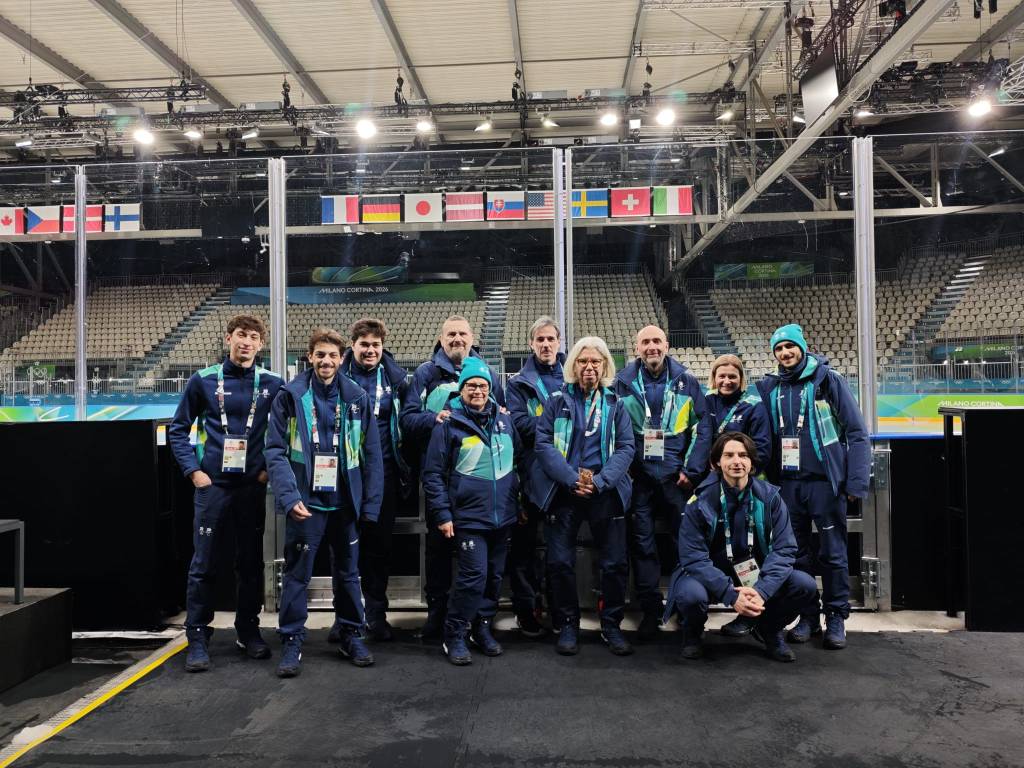
I was also fortunate to meet lots of nice people. Here are some of my team pictured below. Shoutout to Andrea for your hospitality, Rachel (not pictured) for the maple syrup, and Ashley (also not pictured) for the California pins.
Fun fact: Before all hockey matches the pucks must be frozen.
Back to France: Five Years and counting
As I approach my fifth year in the South of France—yes, I made the move!—I’ve been sharing my journey through my blog. In this post, I’ll highlight some of my previous posts you might have missed and answer the most frequently asked questions. Enjoy!
How am I making a living in France?
Initially, I didn’t have a job lined up when I arrived in France. I wanted to focus on integration, knowing there would be a steep learning curve for an American Southerner to master the language of Proust. Fortunately, my wife works remotely and we had saved enough to sustain ourselves until I could begin working legally. But once we were in the system and paying taxes in France, we were dumbfounded on how much more affordable life was in France. And being, there was a larger safety net designed for students, families, and young or old people who might qualify, we didn’t have to dig ourselves into a hole financially.
How did I learn French?
The hardest for me was learning a new language. I wasn’t that good of a student in high school, so I started with just the necessities and really took advantage of my free time those first few years to immerse myself in the culture.
The first place I contacted (besides Decathlon for a new bike) was Les Restos du Coeur, a well-known nonprofit. I helped run their bistro/accueil de jour for roughly two years, interacting with people from all backgrounds in French: Armenians, Ukrainians, Senegalese, Moroccans etc.. Our motto was: ‘Whoever walks through the door gets served breakfast.’
I enjoyed my time there and made some valuable connections. Like a fellow bénévole whose sister was willing to offer me weekly French lessons for free. These one-on-one courses included grammar tricks, reading and pronunciation and lasted for roughly three years!
On top of this, I attended weekly conversations in French at the local library, cafés and met people through the language exchange website/app Tandem. I’m to the point where I feel comfortable speaking in French and the best part is I never paid a dime.
But it was only when I started working that it really clicked. Prior to moving to France, I worked in a boutique real estate firm in NYC, and liked it. So when I moved to France, it made sense to stay in the industry. In 2025, I started my own independently operated residential real estate office in Nîmes, the South of France and that’s when I realized je parle français. Volunteering, chatting over tea and coffee, and ordering bakery items did wonders for my self esteem and accent but what validated me the most was receiving my first check for going from start to finish in a French real estate deal. My French still could use improvement, but I feel like this was a huge milestone.
If you’re searching for a property, here are all the listings that I have at my disposal. I specialize in Nîmes but have connections across the South of France and Paris. And for those still in the research phase, here are some posts that you might find useful.
How to: buy a house in France in 2026
I hear plenty of horror stories from Facebook, news articles or from youtubers of foreigners who weren’t able to crack…
Keep reading
Moving to France. Staying in New York
American life in New York and French life in the south of France might not seem all that different at…
Keep reading
Why did I move to Nîmes?
This is definitely the most asked and first question from people I meet in France. I usually keep it simple and say love. And then comes the notorious, which is better your home country or here? I have to admit after a hundred times, I’m starting to be annoyed by it! So, I’m linking two blog posts that should not only answer this question but plenty others while taking you through a day in the life of what I am doing in Nîmes. I am not only getting to know the Occitanie region. I’ve traveled a bit all over France and spent three winters in Italy. Below you will also find a beautiful picture of the ski-lift in Bardonecchia, my favorite ski village.
Why Americans love Nîmes over Montpellier
Today, I’m sitting at the Museum of Roman Culture café, which has a perfect view of the world’s most well-preserved…
Keep reading
Redessan, on the outskirts of Nîmes
When considering the villages in the vicinity of Nîmes you are going to want to start with these: Caissargues, Manduel,…
Keep reading
How to Make the Move: A Starter Guide
- Long-Stay Tourist Visa: This is how I started my journey. It’s a great way to test the waters and explore your options.
- Corporate Transfer: If you work for a multinational company, check if they have offices in your dream destination.
- Entrepreneurship: A solid business plan can open doors, depending on the country—whether you launch it before moving or after arrival.
Disclaimer: I’m not a lawyer or an expert, just a happy expat who has helped others navigate the process.
Resource to Bookmark: This webpage is a fantastic starting point. It breaks down the visa you need and most importantly it comes straight from the government.
It’s all been worth it albeit sometimes stressful. Mainly trying to understand deadlines and how little your host country cares about the fact you’re Merican and come from the greatest country on the planet. How I was mistaken!
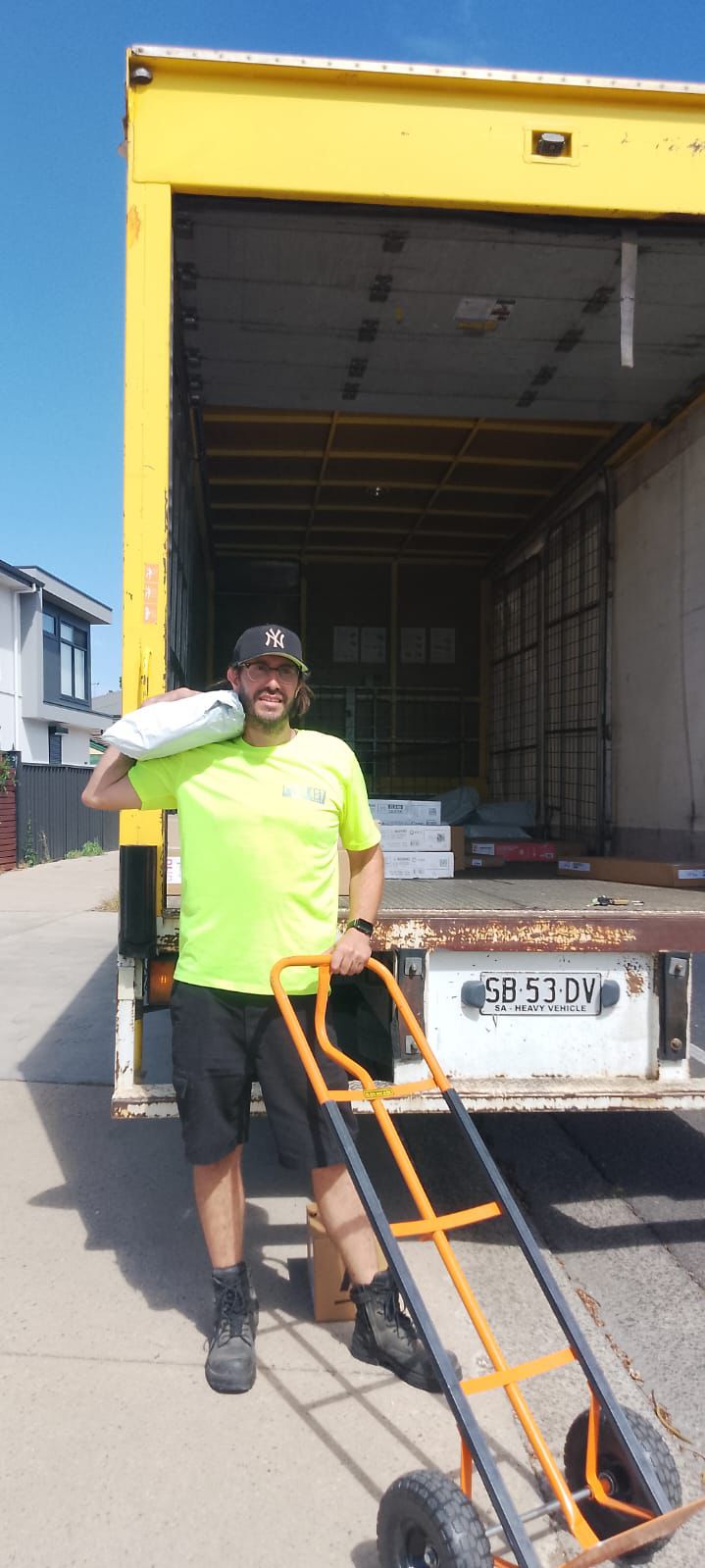
As I finish here, (I need to go and renew my green card.), I’ll leave you with some inspiration from afar. One of my close French friends just began his own expat adventure on a working-holiday visa. Here is a photo of Jérôme soaking up the sun in Adelaide, Australia.
Passez une belle journée,
Chandler
chandler@lesterrassesimmobilier.fr
US +1 (423) 488-1063
FR +33 (0)7 89 05 64 06
 Les Terrasses Immobilier